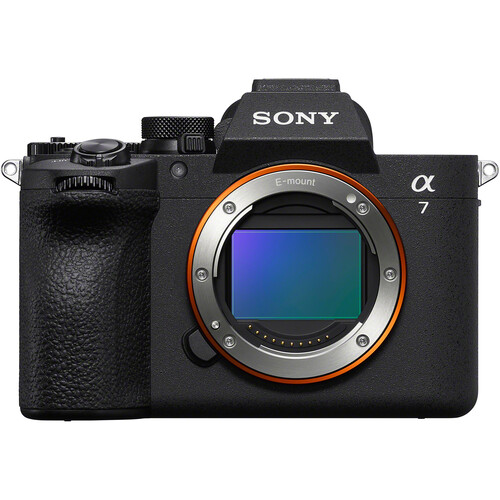




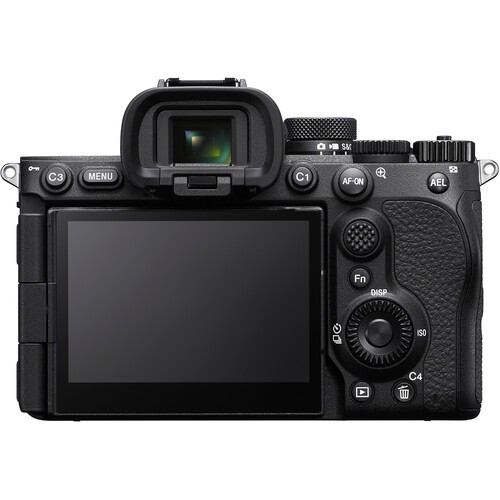
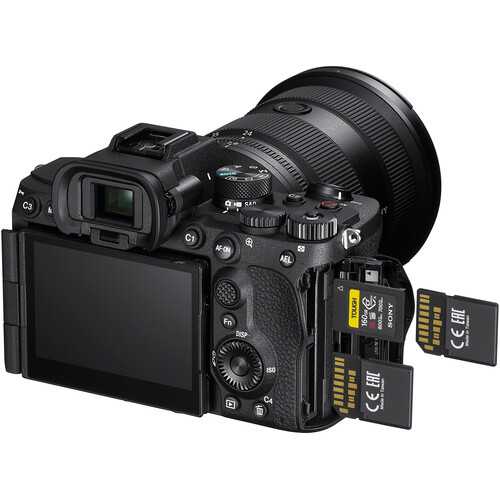
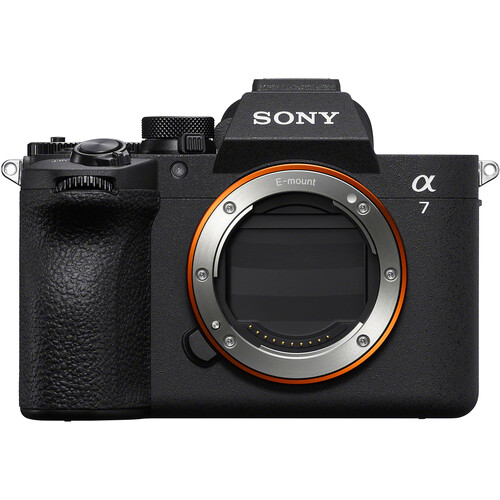
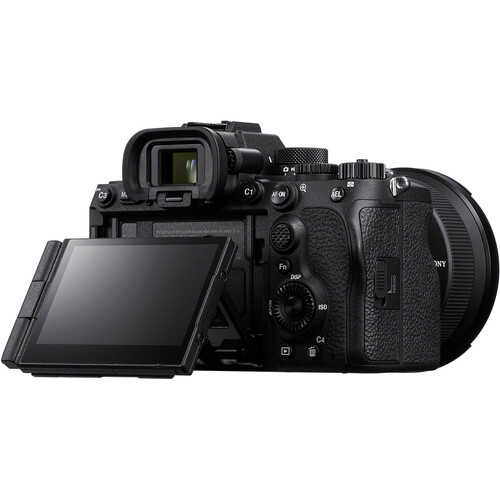
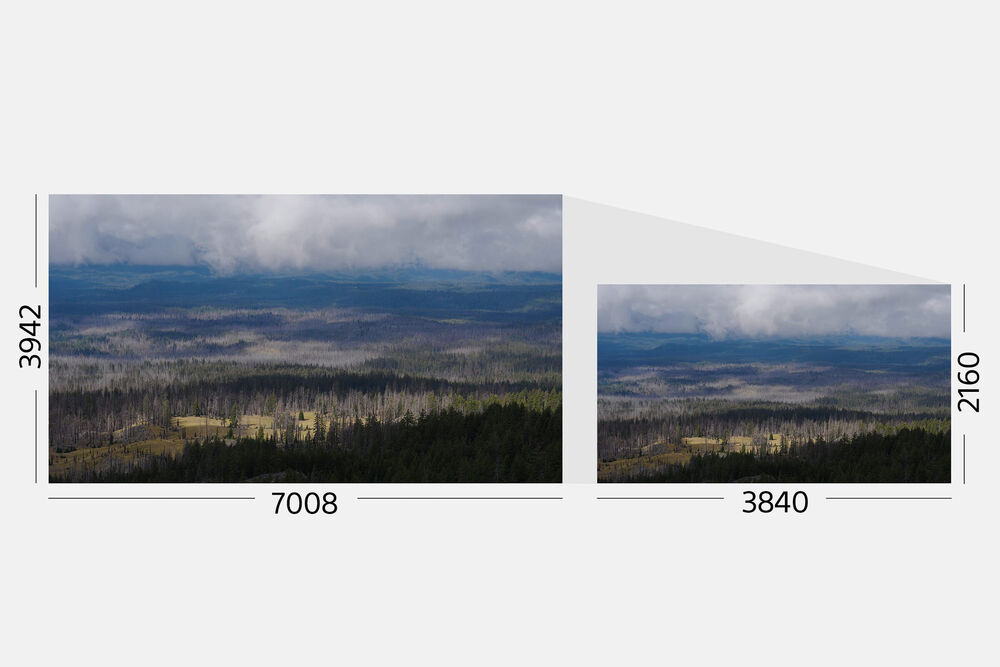
New Partially Stacked Sensor and Upgraded Processing

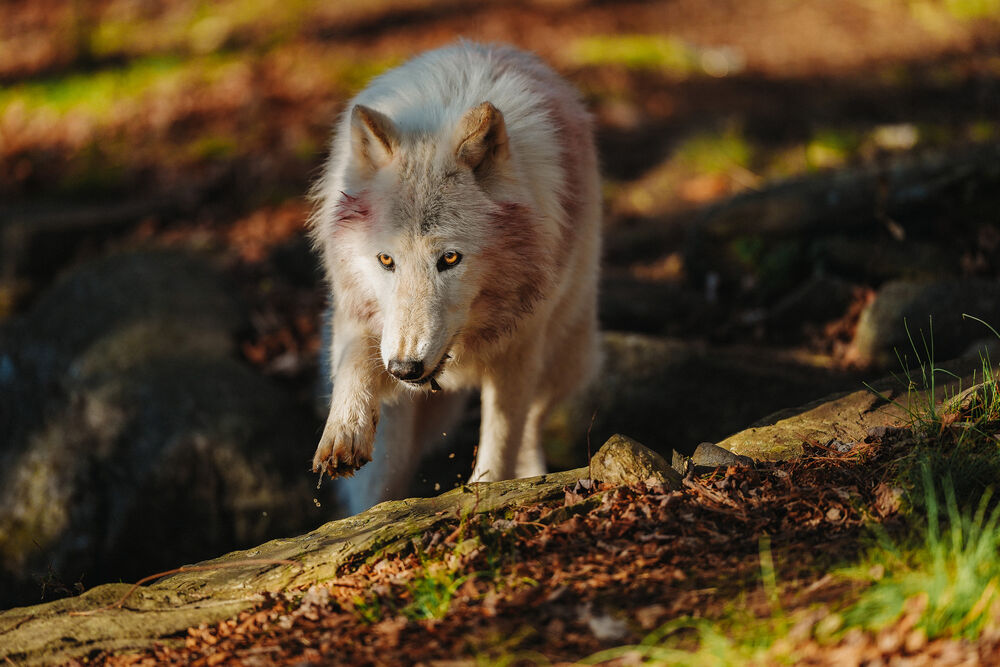
Selectable Raw File Types and Composite RAW Function
The partially stacked sensor and improved processing also permit more flexibility when working with raw files:
- Compressed HQ raw, lossless compressed raw, and a new lightweight raw format are available to suit different priorities, ranging from the ultimate image quality and editing flexibility to more efficient files that prioritize saving on storage space.
- Extended raw file processing is possible via the Imaging Edge desktop app.
- The Composite RAW function allows you to capture and composite on your computer 4, 8, or 16 sequential files, taken at 30 fps, to produce HDR images with reduced noise, especially at higher ISO values.
Upgraded AF and AI Subject Recognition
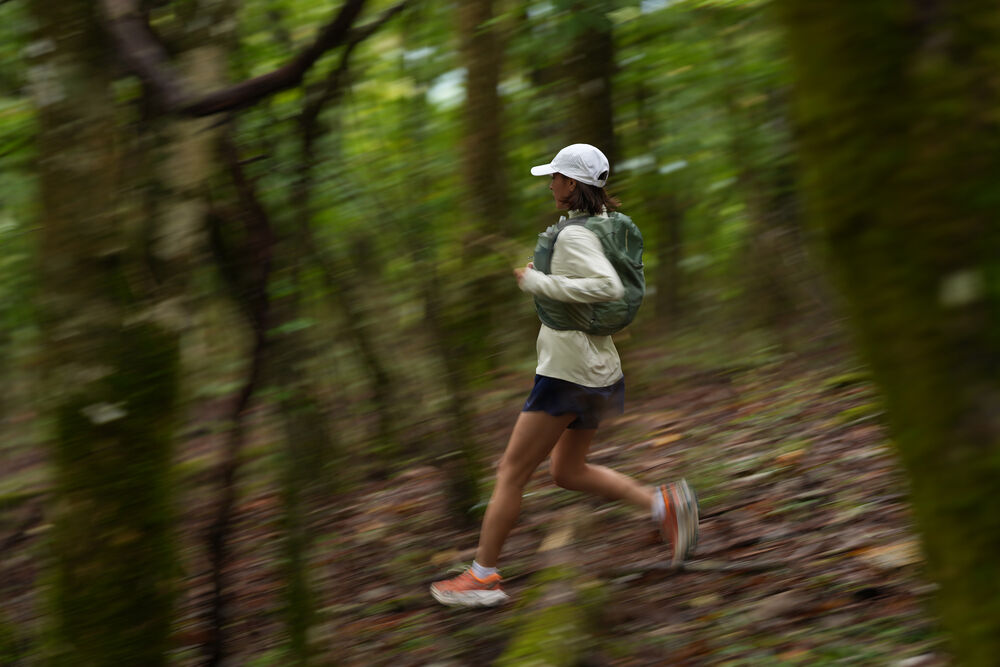
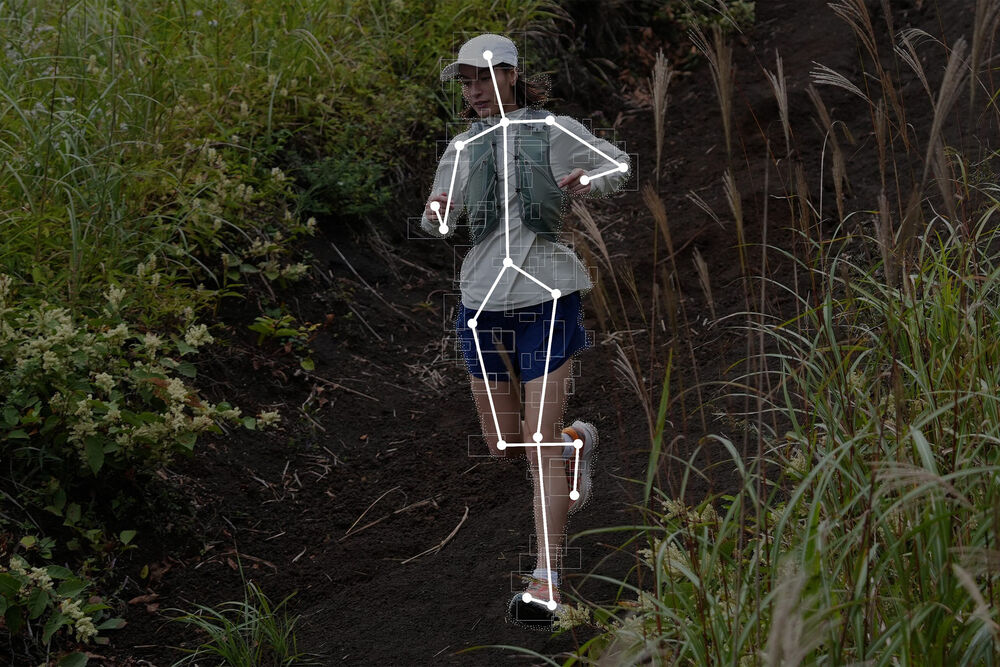
The autofocus performance of the a7 V is a key area of improvement over previous generations; borrowing from the flagship camera, the a7 V now sports an AI Processing Unit and refined subject detection and tracking. The phase-detection AF system itself still comprises 759 points, which cover about 94% of the sensor area, and support focusing down to -4 EV. Subject tracking and subject detection is improved, too, specifically how the camera is 30-50% faster to recognize animals and birds compared to the a7 IV.

Video Recording
Advanced Color Control
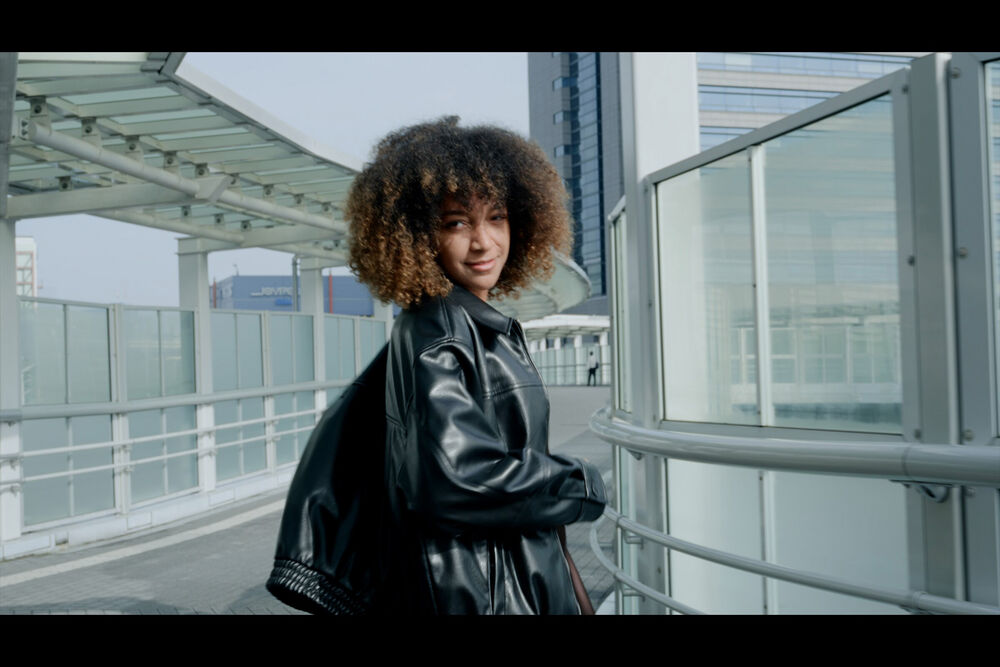
- S-Cinetone can be used to deliver distinct colors and healthy-looking skin tone rendering that matches many FX-series and a-series cameras and is based on technology from the professional Cinema Line cameras, such as the VENICE. This color profile offers natural mid-tones, soft colors, and especially well-controlled highlights.
- S-Log3 is also available for producing a 15+-stop dynamic range with increased grading control in the shadow to mid-tone regions of the image.
- Users can also import LUTs via Creators' Cloud for accurate monitoring while recording.
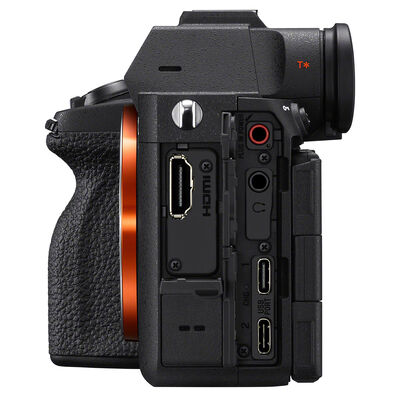
Body Design and Connectivity